CLOSE
Specials
I agree We use cookies on this website to enhance your user experience. By clicking any link on this page you are giving your consent for us to set cookies. More info

Be first to read the latest tech news, Industry Leader's Insights, and CIO interviews of medium and large enterprises exclusively from Energy Tech Review
Thank you for Subscribing
Unveiling the Energy Backbone of Europe's Supply Chain
Europe is transforming its supply chain through energy technology, focusing on resilience, efficiency, and sustainability, while reducing its dependence on fossil fuels and advancing clean energy production.

By
Energy Tech Review | Thursday, November 13, 2025
Stay ahead of the industry with exclusive feature stories on the top companies, expert insights and the latest news delivered straight to your inbox. Subscribe today.
Fremont, CA: Rapid advancements in energy technology are driving a significant reorganization of the global supply chain, with Europe at the forefront. This calls for a comprehensive rethinking of the production, transportation, and delivery of goods with a focus on resilience, efficiency, and sustainability rather than merely substituting fossil fuels with renewable energy.
Europe’s longstanding dependence on fossil fuels, particularly from single-source suppliers, has long posed a strategic vulnerability, a reality underscored by recent geopolitical disruptions. In response, the continent is accelerating its pursuit of energy independence through initiatives such as the EU’s REPowerEU plan and the Green Deal Industrial Plan, positioning clean energy at the core of industrial strategy. This shift is driving a profound restructuring of supply chains across multiple dimensions.
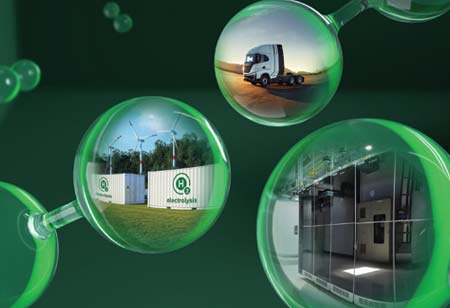
A key priority is diversification and reshoring. Europe is investing heavily in developing domestic production capacity for clean energy technologies, with the Net-Zero Industry Act setting a target for the EU to manufacture at least 40 per cent of its annual net-zero technology requirements by 2030. This encompasses critical components, including solar panels, batteries, heat pumps, and hydrogen electrolysers. By reshoring and diversifying supply chains, the EU is fostering regional manufacturing hubs, reducing exposure to single or distant suppliers, and streamlining logistics networks.
At the same time, the transition introduces new dependencies. As fossil fuel reliance declines, demand for critical raw materials such as lithium, cobalt, and rare earth elements is rising, given their central role in batteries, wind turbines, and other clean technologies. However, the global supply of these materials is geographically concentrated outside Europe, creating fresh vulnerabilities. To mitigate this, policymakers and industry leaders are advancing measures such as the Critical Raw Materials Act, aimed at securing sustainable and resilient access to these essential resources.
The Electrification of Logistics
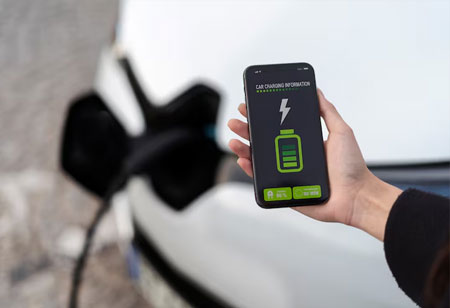
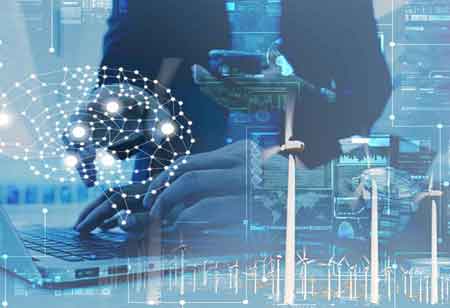
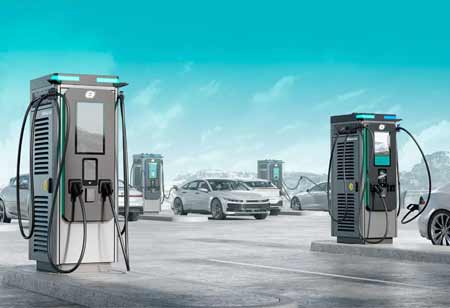
The logistics and transport sector, one of the largest consumers of energy, stands at the forefront of the global energy transition. The adoption of electric and alternative-fuel vehicles is reshaping supply chain operations, driving both environmental and economic benefits. The electrification of freight fleets and last-mile delivery services is reducing emissions and lowering operational costs, while simultaneously transforming the design of distribution centres and creating demand for robust charging infrastructure along major transportation corridors. At the same time, the transition is closely tied to digitalisation, with technologies such as IoT and AI playing a pivotal role in advancing innovative and sustainable logistics. AI-driven route optimisation minimises fuel use and reduces empty miles, while IoT-enabled monitoring ensures real-time tracking of energy consumption. Together, these innovations enhance efficiency, reduce environmental impact, and strengthen supply chain resilience in an increasingly global marketplace.
The Role of Energy Efficiency and Grids
The focus on energy technology extends beyond the transition to cleaner fuel sources; it also encompasses the optimisation of energy use across the entire supply chain. Companies are increasingly investing in energy-efficient operations within warehouses, factories, and transport fleets—implementing measures such as advanced insulation, smart lighting systems, and high-efficiency machinery to reduce consumption and costs. At the same time, the integration of renewable energy sources, such as wind and solar, places significant pressure on Europe’s ageing electricity infrastructure. Modernising the grid to accommodate two-way power flows and effectively integrate distributed energy resources has become a critical, though often underemphasized, element of the energy technology landscape. Without such advancements, the full potential of decentralised renewable energy production cannot be achieved, limiting both efficiency gains and the broader transition to clean energy.
Energy technology is not just an add-on to the European supply chain—it is a core driver of its transformation. By promoting domestic production, diversifying suppliers, electrifying logistics, and prioritising energy efficiency, Europe is building a more resilient, sustainable, and competitive supply chain for the future.

Copyright © 2025 Energy Tech Review. All rights reserved
